Beyond the Pencil: How Writing Can Support Youth Mental Health
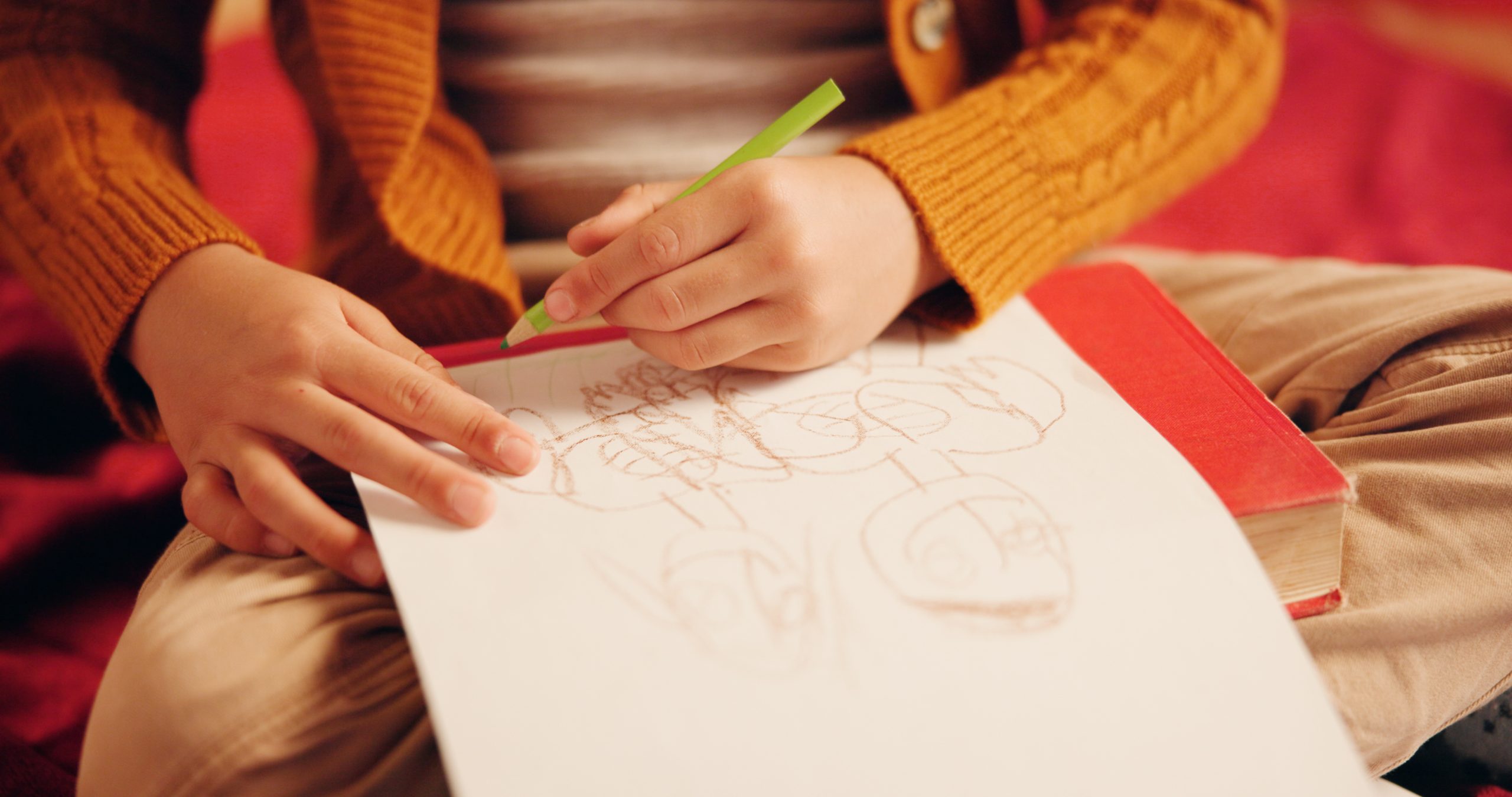
Children and teens carry more than books in their backpacks. They carry worries about friendships, schoolwork, family changes, and fitting in. Sometimes, finding the words to explain those feelings is difficult. Writing can give young people a place to begin. A journal entry, poem, short story, or drawing with a caption can offer a way to express what feels hard to say aloud. Writing does not have to be polished to be meaningful. A child might write, “I felt left out today,” while a teenager might explore an overwhelming experience through a fictional character. The American Psychological Association identifies writing as one strategy that may help children and teens manage stress. When adults welcome expression without immediately correcting mistakes, they can help create an environment where students feel that their thoughts matter. The goal is to give young people an opportunity to communicate in their own words and at their own pace.
Writing also offers an opportunity to pause and reflect. Questions such as “What happened?” “How did I feel?” “What do I need?” and “Who could help me?” can guide a young person through an experience. An unsent letter might help a student think about what they want to say after a disagreement with a friend. A journal entry might provide a starting point for a conversation with a trusted adult. However, writing does not always need to focus on difficult feelings. Prompts about strengths, favorite memories, hopes, and imaginary adventures make room for creativity and possibility. Simple invitations include “One thing I am proud of is…” or “A place where I feel comfortable is….” Offer a few minutes, let students choose their topic, and allow them to skip a prompt. Never require them to describe painful experiences or read personal writing aloud. In group settings, explain privacy limits clearly rather than promising complete confidentiality.
Making writing accessible is equally valuable. For a student who struggles with handwriting, journaling may feel like another challenging assignment. Younger children can draw and dictate a sentence to an adult. Other students may prefer typing, speech-to-text, sentence starters, or a combination of pictures and words. Handwriting instruction can support participation while flexible options help students express themselves as their skills develop. During reflective writing, focus on the message and save spelling, grammar, and letter-formation feedback for another lesson. Writing can complement supportive relationships and professional mental health care, but it does not replace counseling or treatment. If an activity increases distress, pause and help the young person connect with appropriate support. At Pencil Path Tutoring, developing writing skills also means making space for students’ ideas and voices. With encouragement and accessible choices, writing can become a meaningful way to reflect, communicate, and ask for help. Pencil Path Tutoring—Writing With Pride.