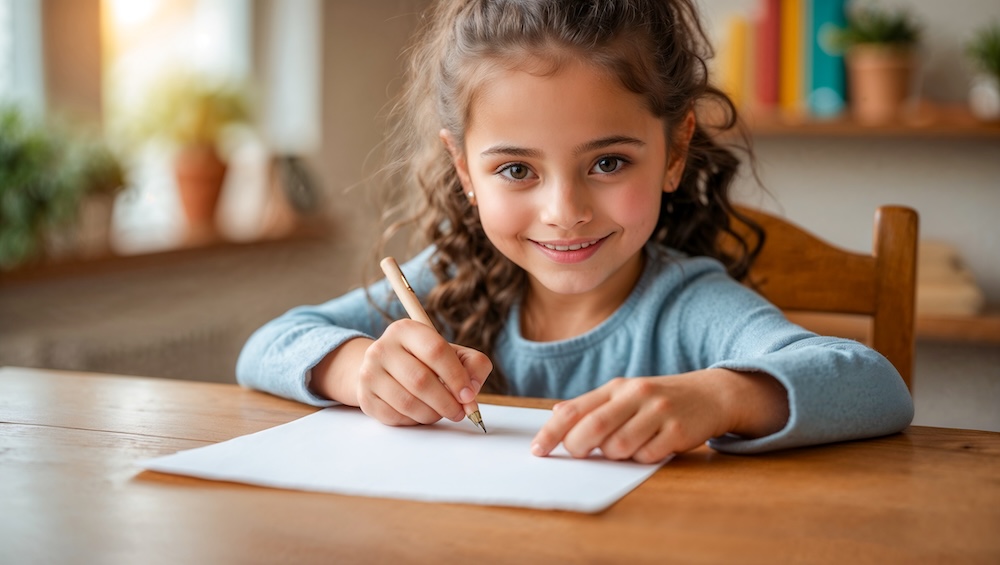
Handwriting is a foundational skill that plays a major role in your child’s academic success and confidence. While every child develops at their own pace, consistent difficulty with handwriting can signal underlying challenges that may need extra attention. Recognizing the signs early can help you support your child before frustration builds and impacts their overall learning experience.
One of the most common signs of handwriting struggles is poor letter formation. If your child frequently reverses letters, writes them inconsistently, or struggles to stay within lines, it may indicate difficulty with fine motor control or letter recognition. While occasional mistakes are normal, repeated issues over time can make writing tasks feel overwhelming and discourage effort.
Another key indicator is inconsistent spacing and sizing. Children who have trouble maintaining even spacing between letters or words, or who mix large and small letters randomly, may be struggling with visual organization and spatial awareness. This can make their writing difficult to read and often leads to frustration both at home and in the classroom.
You may also notice that your child avoids writing tasks altogether. Resistance to homework that involves writing, complaints about hand fatigue, or taking an unusually long time to complete simple assignments can all be signs of underlying difficulty. In many cases, children aren’t being lazy—they are trying to avoid something that feels challenging or uncomfortable.
Poor pencil grip and posture can also play a role in handwriting struggles. If your child holds their pencil awkwardly, presses too hard or too lightly, or frequently complains about their hand hurting, it may be affecting their ability to write smoothly and efficiently. These physical challenges can make even short writing tasks exhausting.
Another sign to watch for is slow writing speed. If your child struggles to keep up with classmates, has difficulty copying from the board, or cannot finish written assignments in a reasonable time, handwriting may be holding them back academically. This can impact not only grades but also confidence in the classroom.
In some cases, handwriting difficulties are linked to trouble organizing thoughts on paper. A child may have great ideas verbally but struggle to transfer them into written form. This disconnect can lead to incomplete assignments or a reluctance to participate in writing-based activities.
The good news is that handwriting struggles are very common—and highly improvable with the right support. Early intervention, consistent practice, and personalized instruction can make a significant difference. Encouraging your child, celebrating small wins, and providing a positive environment can help rebuild confidence and create lasting progress.
If you’re noticing several of these signs, it may be time to seek additional support. With the right guidance and approach, your child can develop stronger handwriting skills and gain the confidence needed to succeed both in school and beyond.