Easy Does It: Helping Heavy-Handed Writers Find a Lighter Touch
A Pencil Path September feature
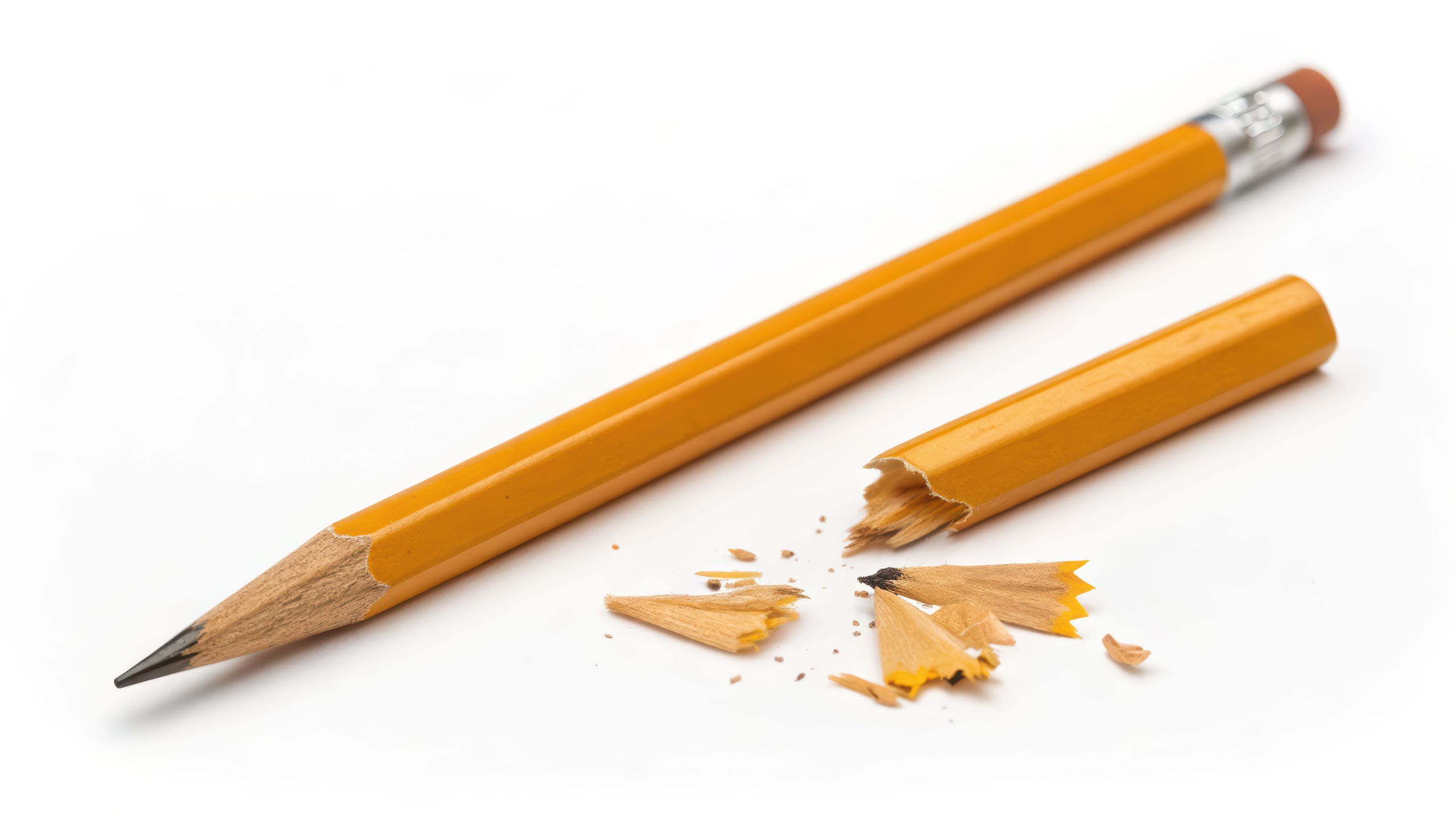
There’s a sound every tutor and parent knows too well: the squeak and scratch of a pencil digging into paper like it owes someone money. Snapped leads. Ripped worksheets. Handwriting that looks carved rather than written. Welcome to back-to-school season, when hands that spent the summer on tablets and game controllers suddenly have to hold a pencil for hours a day again — and a lot of them are holding on for dear life.
This month, Pencil Path is digging into one of the most common (and most fixable) writing struggles we see: heavy pencil pressure.
Why “Just Press Lighter” Never Works
If you’ve ever told a student to “relax your grip” and watched absolutely nothing change, you’re not alone. Heavy pressure usually isn’t a stubborn habit — it’s a signal. It can come from:
- Weak intrinsic hand muscles — the small muscles inside the hand that stabilize fine motor control haven’t fully developed yet
- Poor postural support — if the shoulder and core aren’t stable, the hand overcompensates by gripping harder
- Low proprioceptive awareness — some kids genuinely can’t feel how hard they’re pressing, so they press harder to “feel” the pencil
- Anxiety or perfectionism — gripping tightly is a physical response to the pressure (pun intended) of getting it right
- Habit and muscle memory — some students simply learned to write this way and no one corrected it early on
Telling a heavy presser to lighten up is like telling someone with a fever to “just cool down.” The instruction is accurate but useless without addressing the cause.
Our September Toolkit: Techniques That Actually Work
1. Golf Pencils and Broken Crayons
Shorter writing tools naturally discourage a fist-like death grip because there’s less pencil to grab onto. It forces a more relaxed, fingertip-based hold almost automatically.
2. Carbon Paper Check-Ins
Slip a piece of carbon paper (or a stack of two papers) under the worksheet. If the pressure is too heavy, it’ll show through to the second sheet. This turns an abstract instruction into an instant, visual feedback loop — no nagging required.
3. Hand Warm-Ups Before Writing
Two minutes of therapy putty squeezes, finger stretches, or “wall push-ups” (pressing palms flat against a wall) before writing sessions can regulate a student’s sense of how much pressure their muscles need to use.
4. Slant Boards and Better Positioning
A slightly angled writing surface changes the wrist mechanics enough that many students naturally reduce pressure without even noticing they’re doing it.
5. Sandpaper and Bubble Wrap Feedback
Two simple household materials can do a lot of heavy lifting here:
- Sandpaper underneath the paper gives instant tactile feedback — press too hard and the pencil catches or drags on the rough texture beneath, which naturally teaches a student to ease up. It also adds a subtle sensory input to the hand that can satisfy the “I need to feel it” urge that drives heavy pressure in the first place.
- Writing on top of bubble wrap (with paper laid over it) turns pressure control into a game: press too hard and a bubble pops. Students self-correct almost instantly because the feedback is immediate, physical, and a little bit fun — no reminders needed from a tutor or parent.
Both are inexpensive, five-minute setups that make an invisible skill (regulating pressure) suddenly visible and tangible.
6. Shading Ladders
Have the student draw a row of small boxes and fill each one in with a different pressure level — starting with their heaviest press in the first box and getting progressively lighter in each box after that, until the last box is barely visible. This “shading ladder” makes pressure control a deliberate, practiced skill rather than an abstract instruction. It also doubles as a quick warm-up before handwriting practice, and tutors can turn it into a visual reference the student keeps at their desk: “match today’s writing to box three.”
7. Try a Mechanical Pencil
This one’s almost too simple: mechanical pencils have thin, fragile lead that snaps under heavy pressure. That built-in “consequence” gives students instant, judgment-free feedback — no tutor reminder needed, just a broken tip that teaches the lesson on its own. For many heavy pressers, a few days of frustrating snapped leads does more to build awareness than weeks of verbal cues.
Helpful Resources
Looking to go deeper? A couple of resources our tutors like to pull from:
- YourTherapySource.com offers a graded pencil pressure activity that lets students practice writing across a spectrum of pressure levels, similar in spirit to our shading ladder above.
- TeachersPayTeachers.com has a variety of pencil shading activity packets from independent educators, great for extra practice sheets to send home between sessions.
The Bigger Picture
Pressure issues are rarely just about pencils. They’re often the first visible clue to bigger patterns — fine motor development, attention regulation, or even anxiety around performance. That’s exactly why we treat handwriting mechanics as a diagnostic starting point, not just a penmanship fix, in every Pencil Path session.
If your student is gripping tight, snapping leads, or complaining of hand fatigue after just a few sentences, it might be the perfect time to book a session with us this September. For further consultation, call Pencil Path Tutoring at 843-695-7313.
Pencil Path — helping every hand find its own natural rhythm on the page.